
What is a Cost Effective Way to Get Rid of Construction Debris?
What Is Considered Construction Debris?
Construction trash can be generated from all stages of the building process, including;
- Demolition
- Building new construction
- Remodeling or Renovation
- Building an addition to an existing structure
- Clean up debris from the end of a construction project
Demolition Debris is the most obvious source of construction garbage – tearing down a structure or an interior section will produce loads of waste material.
New Building Trash is generated from cuts, waste material, and packaging.
Remodeling Debris usually includes demolition trash and building rubbish because any Renovation Project typically included tearing down the old and replacing it with the new.
Building an Addition to an existing structure is a smaller version of a full scale new construction project which will go through all the stages of new construction. But in addition to new construction, it requires a demolition stage to open the existing building to the newer section of building.
Construction or Renovation site Clean up is the last stage of any new construction or renovation project. And of course, produces a fair share of waste.
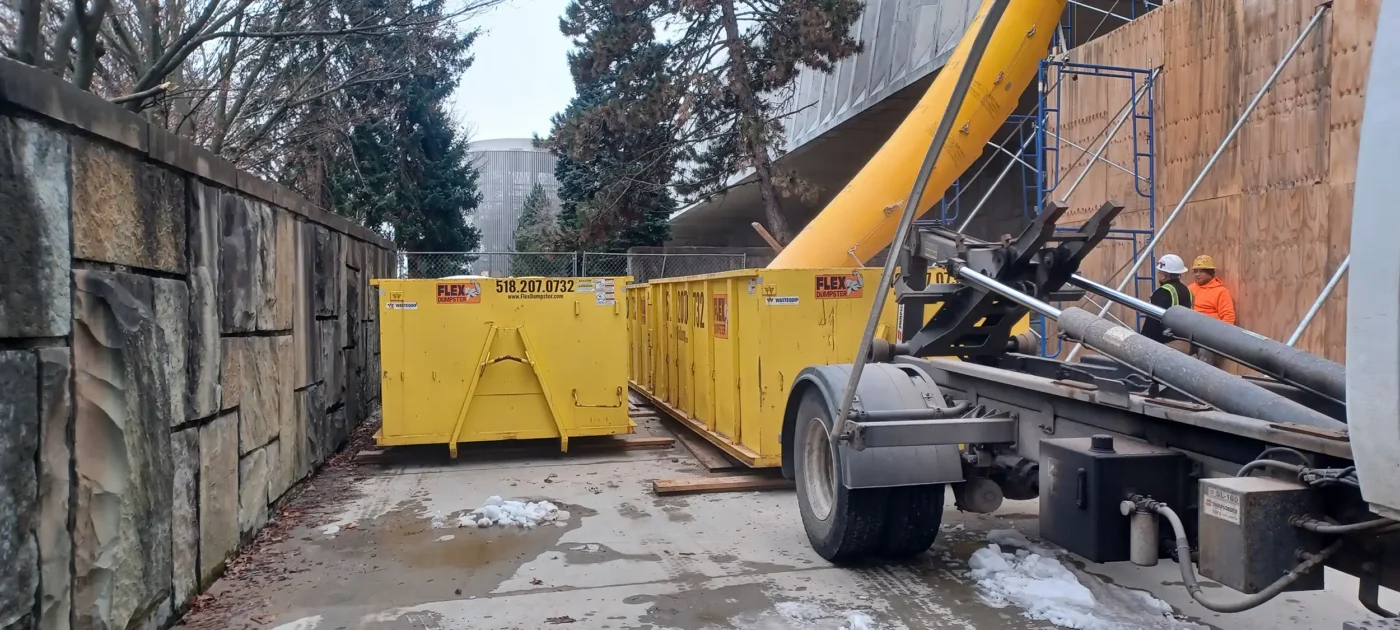
What materials are considered construction debris?
Construction Debris (abbreviated in the waste industry as CD) includes;
- Wood - lumber scraps, framing materials, and plywood
- Pressure-treated wood - decking and exterior building materials
- Gypsum - sheet rock, drywall, and plasterboard
- Roofing materials - asphalt shingles, metal roofing, gutters, and more
- Metals - scrap metals, pipes, wiring, and rebar
- Glass - windows and mirrors
- Plumbing - metals and plastic
- Insulation - fiberglass, foam, and older paper or blow-in insulation
- Packaging - cardboard, styrofoam and plastic
- Appliances - typically being replaced at a renovation job site
- Masonry - bricks, mortar, and concrete
Although masonry materials, such as brick and concrete, are construction debris, typically any significant quantity of these heavy materials have to be separated from the rest of the construction debris into designated Clean-fill containers.
Methods of removal of building waste?
Whether you need to get rid of construction debris for Residential Construction Waste disposal or larger Commercial Construction waste disposal, your options include;
- Roll-off Dumpsters
- Construction Debris Removal Services
- Construction Debris Recycling
Most large scale demolition and construction projects use a combination of techniques to haul away construction debris. Construction Project Managers often will have separate dedicated dumpsters on the job-site for Construction Waste and Construction Materials Recycling, and then may have a final Clean-up Service sweep the job site when all construction is complete.
Residential Renovation or remodeling projects do not produce enough waste to justify the cost of having a dedicated Recycling Container at the home. Also the final clean-up is almost always handled by the Residential Contractor performing the renovation. For these residential projects, or smaller scale commercial construction projects, typically only one Waste Dumpster is used.
For small to mid-sized construction projects, a Construction Debris Dumpster is the preferred choice of debris removal for both contractors and do-it-yourself homeowners for a variety of reasons. The dumpster can sit on-site and be loaded as cuts and debris are generated. Full service site clean-up is only reasonable at the end of a project, otherwise debris would accumulate underfoot while the construction workers or home renovators are continuing to work over several days or weeks. The roll-off dumpster is always going to be less expensive than hiring full-service labor for site clean-up provided by a full-service clean-up service.
There are specific circumstances when a site-cleanup service is the only option for a construction project – usually dealing with city-center parking or zoning/code regulations when the municipality prohibits a less-expensive and more convenient roll-off construction debris dumpster to be placed on or near the construction site. Even in city centers, unless the municipality specifically has a reason for denying a request for use of a dumpster, they will almost always approve a permit to place a dumpster on the street outside of the construction or renovation site for a small fee. It just requires forethought to get a Street Parking Permit in advance of the construction project.

Is a Residential Construction or Commercial Construction Dumpster Rental Right for Your Project?
Regardless if you are looking to rent a Construction Dumpster for a Residential Construction project, for a Commercial Construction project, for Demolition Debris, for Remodeling Debris, or for post-construction Site Clean-up, or for any project, Flex Dumpster can provide solutions to your Construction Waste Removal needs.
Flex Dumpster offers 12-yard, 15-yard, and 20-yard roll-off dumpsters for residential or commercial dumpster service. We will be happy to assist you if you’re not sure what size dumpster you need.
How to Rent a Construction Dumpster
Steps to Rent a Dumpster
Visit www.flexdumpster.com or call 518-207-0732 to book a dumpster. Call, text, or E-mail us with any questions.
Renting a dumpster makes your Construction Project efficient and stress-free. Get started today!